
.png)


The power of peer support

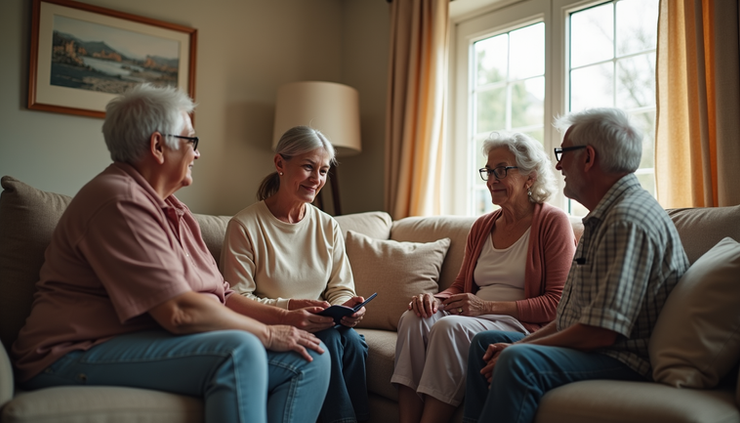
Caregiving is a demanding role that often leads to emotional and physical exhaustion. For caregivers in Pennsylvania, New Jersey, and Delaware, the challenges can feel isolating. Yet, connecting with others who share this experience offers a unique form of relief. Peer support among caregivers creates a Shared Mental Context—a deep understanding that only someone walking the same path can provide. This connection reduces burnout and strengthens resilience.
Understanding caregiver burnout
Caregiver burnout happens when the continuous stress of caring for a loved one overwhelms a person’s ability to cope. Symptoms include fatigue, irritability, and feelings of helplessness. In PA, NJ, and DE, many caregivers juggle work, family, and caregiving duties without enough breaks or support. This constant pressure can lead to serious health problems and decreased quality of care.
Burnout often stems from feeling alone in the struggle. Caregivers may hesitate to share their challenges with friends or family who don’t fully understand the demands. This is where peer support becomes vital.
What is Shared Mental Context?
Shared Mental Context means having a common understanding based on similar experiences. When caregivers connect, they don’t need to explain every detail of their daily challenges. Others in the group already know what it feels like to manage medications, handle emergencies, or cope with emotional ups and downs.
This shared understanding creates trust and empathy. Caregivers feel seen and heard, which reduces feelings of isolation. They can exchange practical advice, emotional support, and encouragement in a way that outsiders cannot provide.
How peer support reduces burnout
Peer support groups offer several benefits that directly address burnout:
Emotional relief: Sharing frustrations and fears with others who understand reduces stress.
Practical advice: Caregivers exchange tips on managing tasks, navigating healthcare, and accessing resources.
Validation: Hearing “I’ve been there” helps caregivers feel their efforts are recognized and appreciated.
Social connection: Building friendships combats loneliness and improves mood.
Increased confidence: Learning from peers boosts problem-solving skills and self-efficacy.
For example, a caregiver in New Jersey might learn from a Pennsylvania peer about a local respite care program that provides temporary relief. This practical information can prevent burnout by giving caregivers a chance to rest.
Finding peer support in PA, NJ, and DE
Several organizations and community groups offer peer support tailored to caregivers in these states:
Local chapters of national caregiving organizations often host support groups.
Hospitals and senior centers provide caregiver workshops and meetups.
Online forums and social media groups connect caregivers across regions.
Faith-based groups sometimes offer informal support networks.
Caregivers can start by asking healthcare providers or searching online for local resources. Even a monthly meeting can make a significant difference.

Tips for building meaningful peer connections
To get the most from peer support, caregivers should:
Be open and honest about their feelings and challenges.
Listen actively to others’ stories without judgment.
Share practical tips and resources freely.
Attend regularly to build trust and deeper connections.
Respect confidentiality to create a safe space.
Even if in-person groups are not available, virtual meetings can provide similar benefits. The key is consistent connection with others who truly understand.
The lasting impact of peer support
Caregivers who engage in peer support report feeling less overwhelmed and more hopeful. The Shared Mental Context they build helps them face daily challenges with renewed strength. This support not only improves their well-being but also enhances the care they provide to their loved ones.
By connecting with peers in Pennsylvania, New Jersey, and Delaware, caregivers break the cycle of isolation and burnout. They gain a community that offers understanding, practical help, and emotional comfort.


Comments